Custom Aluminum Baluster Railings in Staten Island, NY
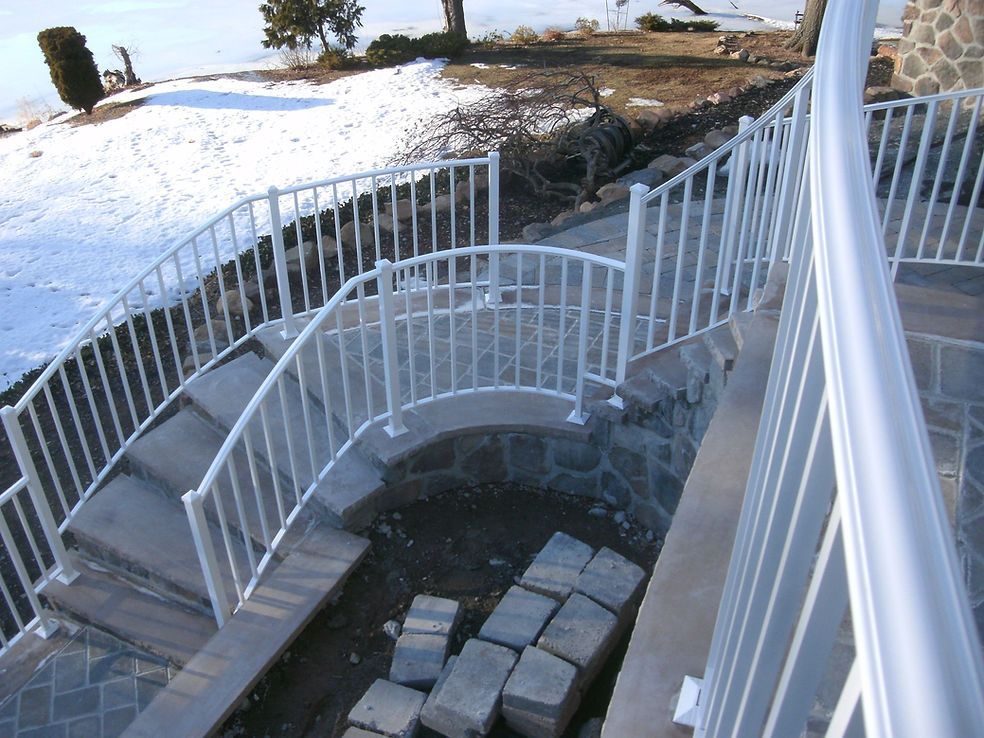
Rail King Iron Works fabricates custom aluminum baluster rail for stairs, porches, and balconies throughout Staten Island, providing a straightforward, code-compliant railing solution for both residential and commercial properties. Baluster rail refers to a railing system built with evenly spaced vertical iron bars, or balusters, connecting the top handrail to a bottom rail, offering a clean, functional design that works well across a wide range of architectural styles found throughout the borough.
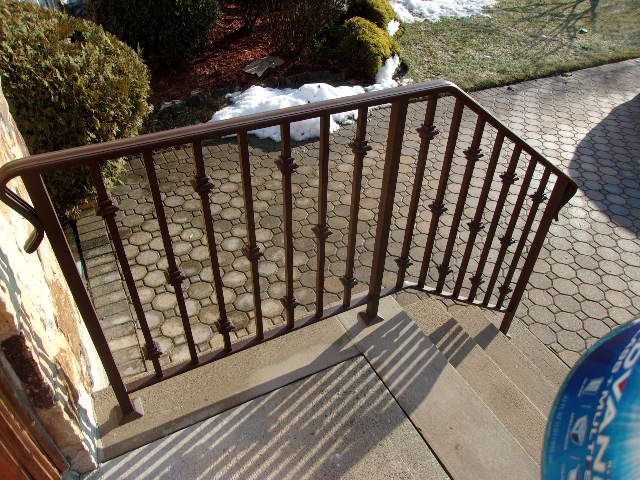
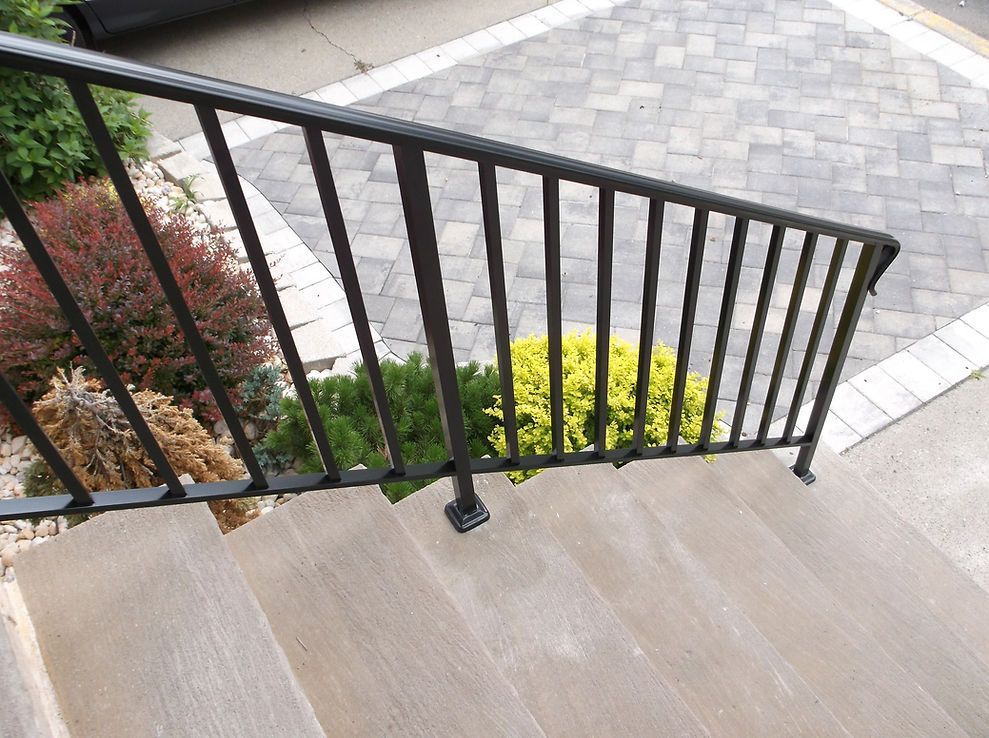
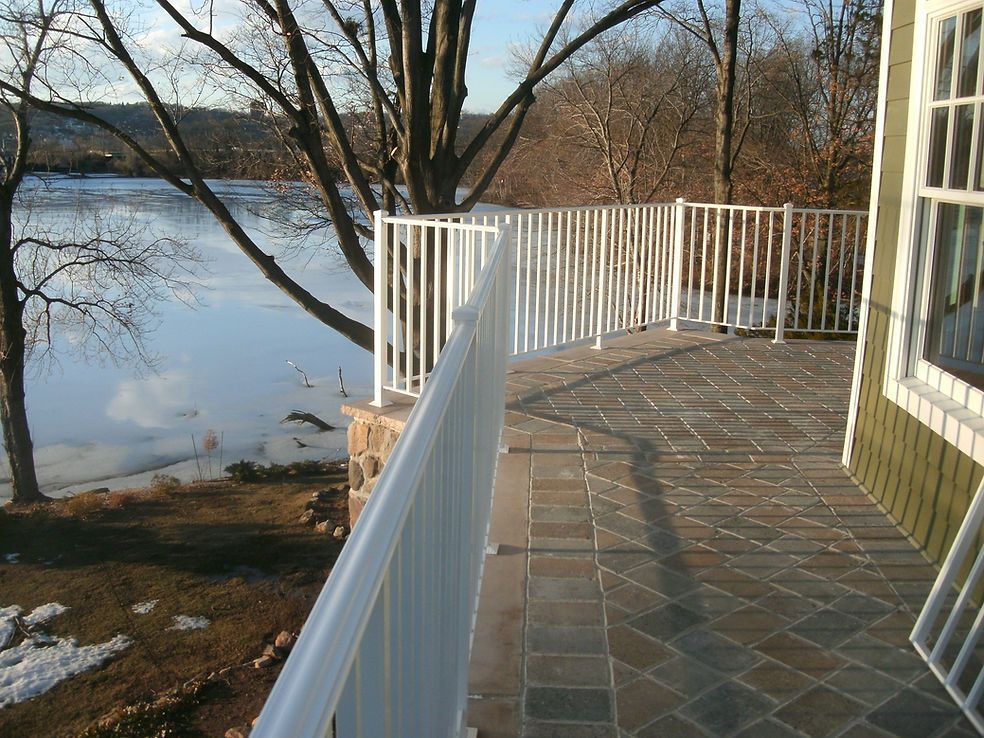
Aluminum Baluster rail remains one of the most commonly requested railing configurations because it balances cost, code compliance, and visual simplicity, making it a practical choice for property owners who need a reliable railing system without extensive decorative detailing. Rail King Iron Works fabricates each baluster rail system to the exact length, height, and spacing required by the installation, whether it is a straight run of stair railing or a curved balcony railing.
Why Property Owners Choose Aluminum Baluster Rail
Aluminum Baluster rail offers a dependable, code-compliant railing option that fits nearly any residential or commercial setting without requiring extensive custom design work. Because the vertical baluster spacing can be adjusted to meet specific code requirements, this style of railing is often the most efficient choice for property owners who need a straightforward, functional railing installed within a shorter timeframe than a fully custom scrollwork design.
Common Applications for Baluster Rail
Straight stair railings for single-family homes throughout Staten Island. Porch and balcony railings on both new construction and renovation projects. Interior stairwell railings for multi-family and commercial buildings. Exterior deck railings requiring a simple, code-compliant design.
Design and Fabrication Process
Every baluster rail project begins with an on-site measurement to confirm the total railing length, mounting method, and baluster spacing required to meet applicable code. Rail King Iron Works then fabricates the railing sections in-house, welding each baluster in place before delivering and installing the completed system.
Design Elements Considered During Fabrication
Baluster spacing calculated to meet residential or commercial code requirements. Handrail profile selected based on the intended use and architectural style. Post and newel style matched to the overall design of the property. Finish selected between painted, powder-coated, or raw iron depending on the setting.
Material Durability and Finish Options
Because baluster rail is frequently installed outdoors on porches, decks, and exterior stairs using high quality aluminum. Rail King Iron Works applies a protective primer and topcoat, or powder-coat finish, to every railing system to guard against rust from Staten Island's humid summers and coastal salt air exposure. A well-maintained finish allows the railing to retain its structural integrity and appearance for many years.
Code Compliance for Local Installations
Baluster rail must meet New York City building code requirements for baluster spacing and handrail height, which generally requires that no gap in the railing allow passage of a sphere larger than four inches in diameter. Rail King Iron Works incorporates these requirements into every design to ensure the finished railing passes inspection without delay.
Maintenance Requirements Over Time
Aluminum Baluster rail requires periodic maintenance similar to other iron railing systems, including inspection of the finish coat and prompt repair of any scratched or exposed metal to prevent rust, particularly for exterior installations exposed to Staten Island's coastal weather conditions throughout the year.
Frequently Asked Questions
What is baluster rail?
Baluster rail is a railing system built with evenly spaced vertical iron bars connecting a top handrail to a bottom rail, commonly used for stairs, porches, and balconies.
How much does baluster rail cost?
Cost depends on total railing length, baluster spacing, and finish selection, though baluster rail is generally more affordable than fully custom scrollwork designs.
Is baluster rail code compliant in New York City?
Yes, when fabricated with proper spacing, baluster rail meets NYC code requirements limiting gaps to no more than four inches.
Can baluster rail be used outdoors in Staten Island?
Yes, baluster rail is commonly installed on exterior porches, decks, and stairs when finished with a protective primer and topcoat or powder coat.
What is the standard height requirement for baluster rail?
Residential handrails are typically required to be between 34 and 38 inches, though the exact requirement depends on the specific application and code jurisdiction.
Can baluster rail be customized in style or finish?
Yes, baluster rail can be fabricated with different post styles, handrail profiles, and finish colors to match the surrounding property.
How much maintenance does baluster rail require?
Baluster rail requires periodic inspection of the finish coat, with prompt touch-up of any scratched or exposed areas to prevent rust.
Is baluster rail suitable for commercial properties?
Yes, baluster rail is commonly used for commercial stairwells and entryways requiring a straightforward, code-compliant railing solution.
How long does it take to fabricate custom baluster rail?
Fabrication timelines depend on the total railing length required, typically ranging from a few weeks for standard residential installations.
Can baluster rail replace an existing wood railing?
Yes, baluster rail is a common replacement for wood railings that have deteriorated due to rot or weather exposure over time.
What finish options are available for baluster rail?
Options typically include painted, powder-coated, or raw iron finishes depending on the surrounding architecture and desired appearance.