Commercial Iron Rail in Staten Island, NY
Rail King Iron Works fabricates commercial iron rail for business properties throughout Staten Island, including retail storefronts, office buildings, and industrial facilities near the West Shore Expressway corridor. Commercial iron rail differs from residential railing in both scale and code requirements, typically involving longer runs, higher traffic loads, and stricter accessibility and safety standards that must be accounted for during design and fabrication.
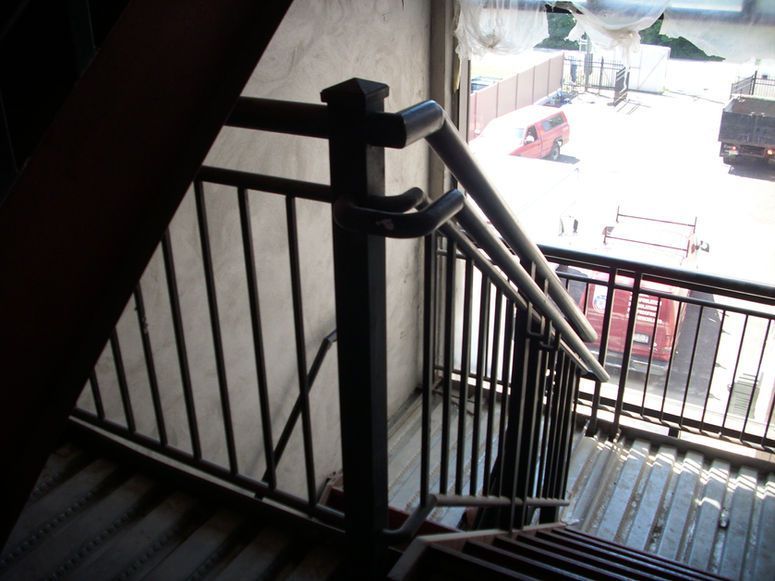
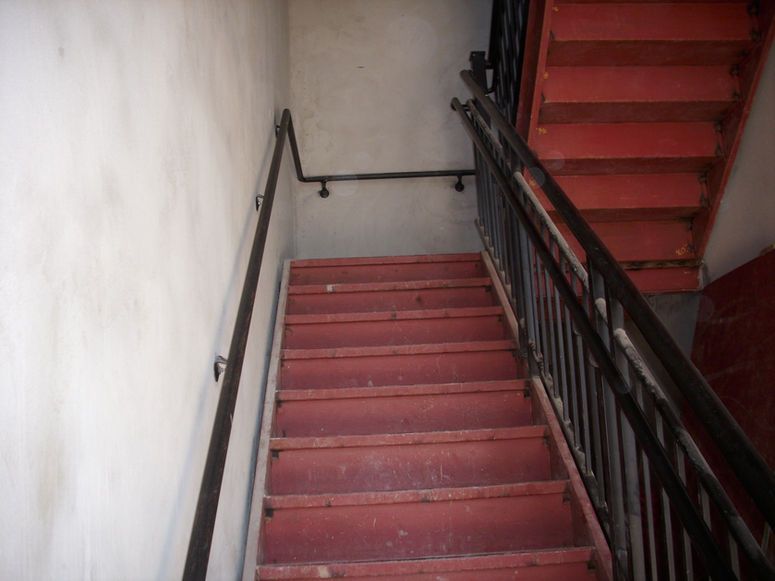
Every commercial iron rail project is engineered to withstand the higher foot traffic and usage demands of a business environment while meeting the specific code requirements that apply to commercial occupancies within New York City. Rail King Iron Works works directly with property managers, contractors, and business owners throughout Staten Island to fabricate railing systems that satisfy both functional and inspection requirements.
Why Businesses Choose Commercial Iron Rail
Commercial properties require railing systems built to handle sustained daily use by large numbers of people, which places different demands on materials and construction than a typical residential installation. Iron provides the structural rigidity needed for high-traffic stairwells, loading dock stairs, and exterior entryways, while also offering the durability required for a railing system that may see minimal ongoing maintenance compared to a private residence.
Common Applications for Commercial Iron Rail
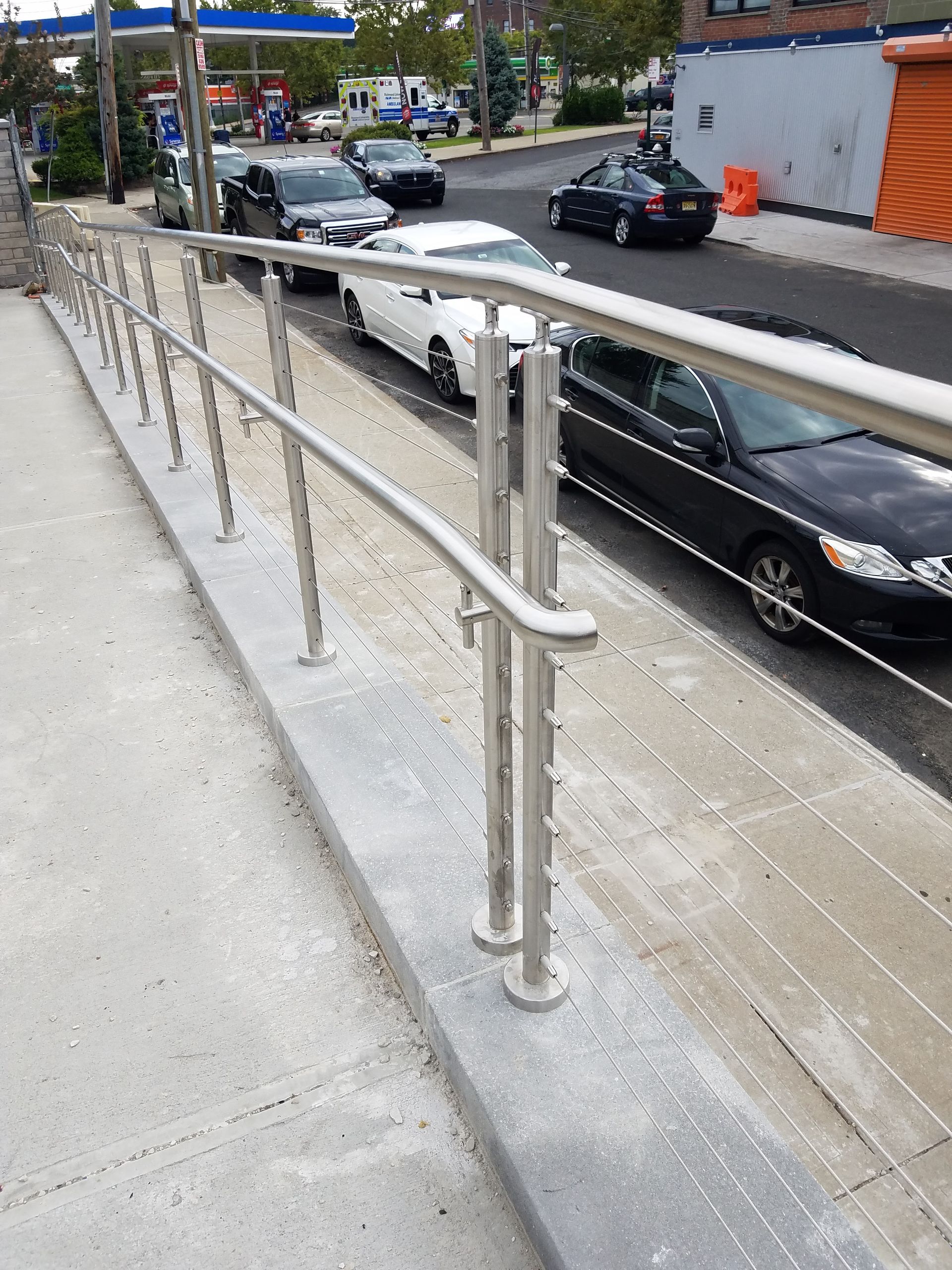
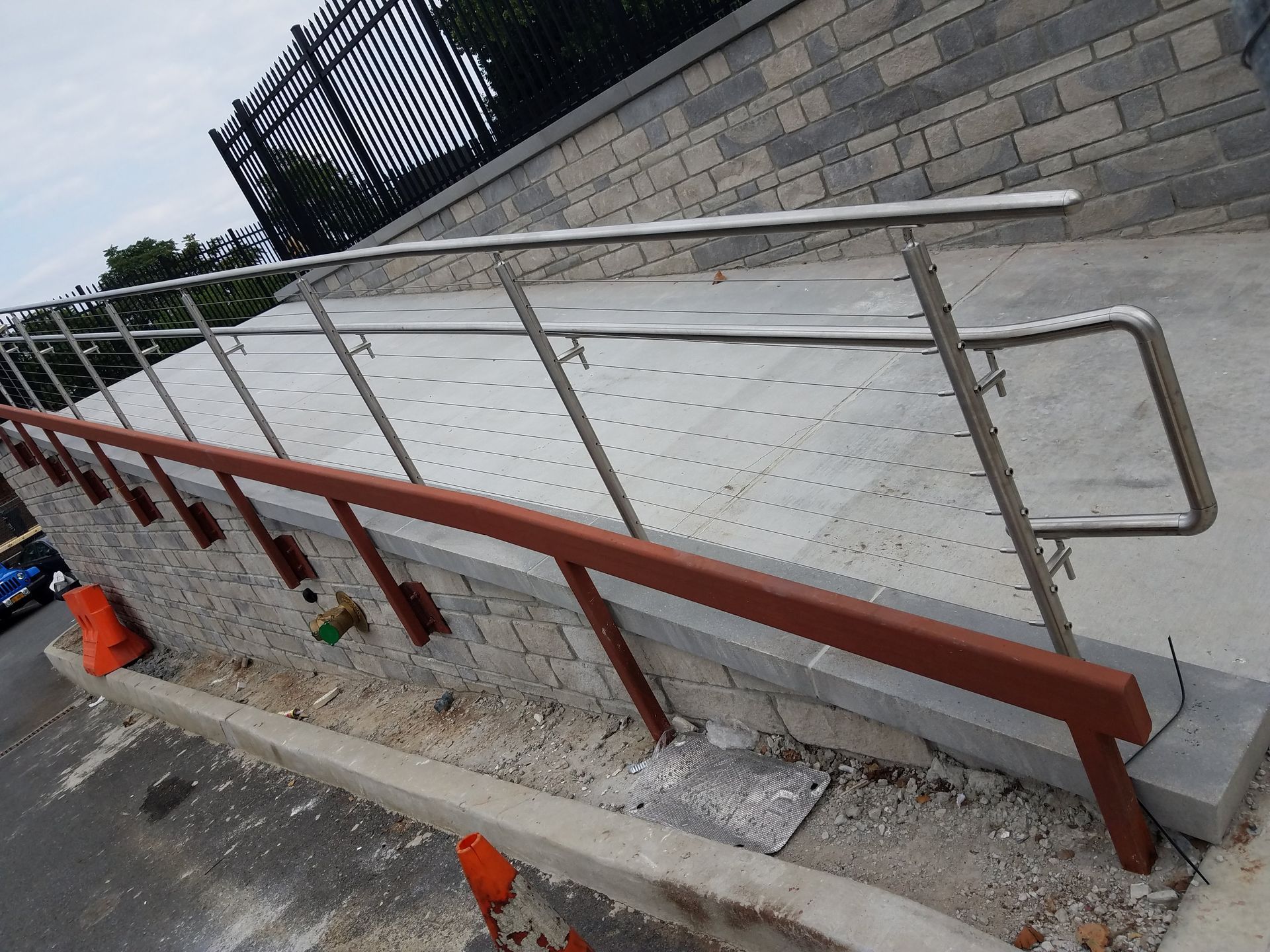
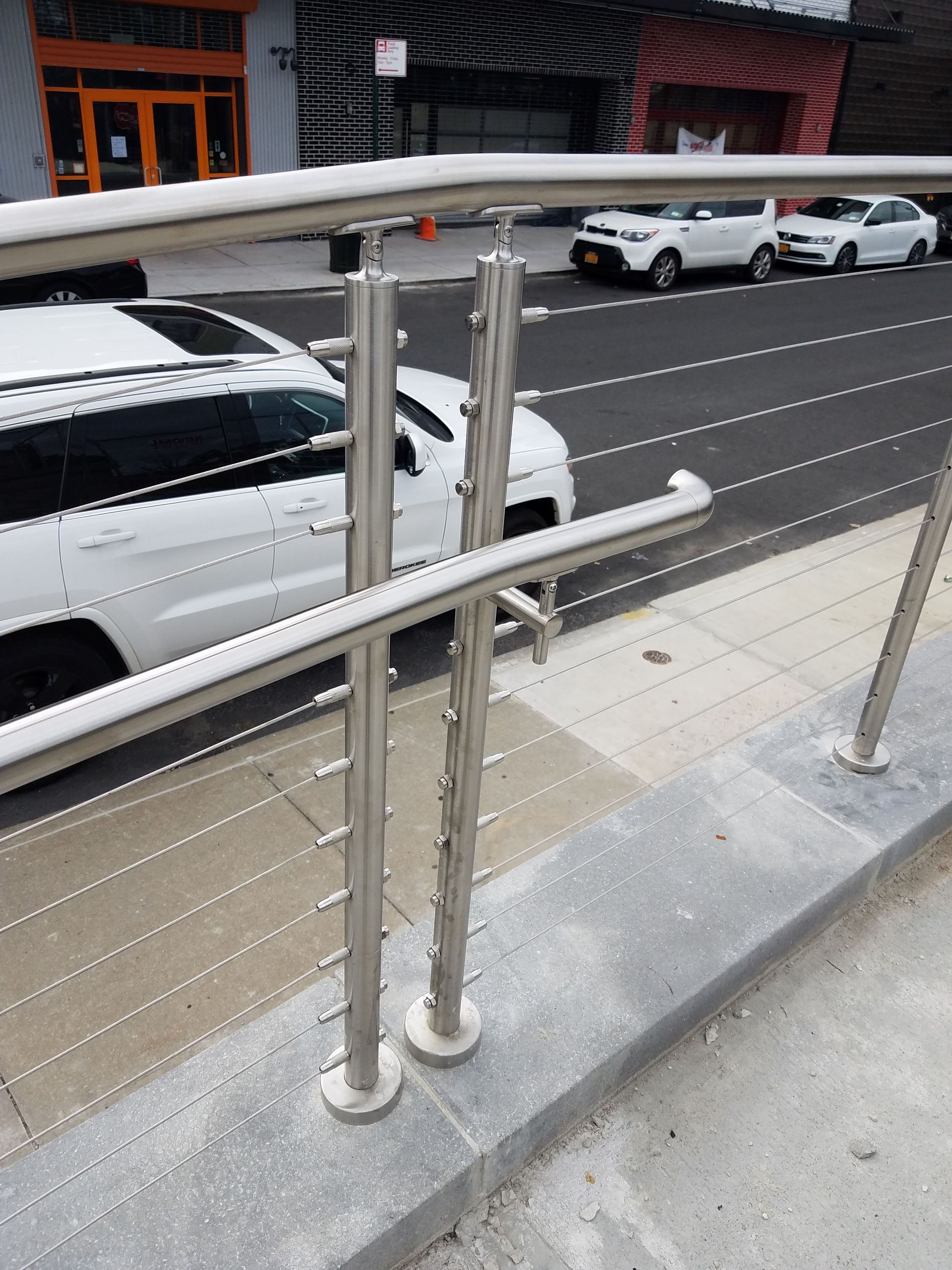
Exterior entryway stairs and railings for retail storefronts and office buildings. Interior stairwell railings in multi-tenant commercial buildings. Loading dock and warehouse stair railings for industrial facilities. ADA-compliant handrail systems for public-facing commercial entrances.
Design and Fabrication Process
Every commercial iron rail project begins with a site evaluation to confirm the exact railing length, mounting method, and code requirements that apply to the specific occupancy type. Rail King Iron Works then fabricates the railing sections in-house, ensuring consistent quality across long runs before delivering and installing the completed system on-site.
Design Elements Considered During Fabrication
Handrail height and extension length calculated to meet ADA and commercial code requirements. Baluster spacing sized to prevent passage of objects while meeting occupancy-specific standards. Mounting method selected based on the substrate, whether concrete, steel, or masonry. Finish selected between painted or powder-coated iron for long-term durability.
Material Strength and Long-Term Durability
Commercial iron rail is fabricated using heavier gauge materials than typical residential railing to withstand sustained high-traffic use over many years. Because commercial properties often have limited maintenance schedules compared to private residences, Rail King Iron Works applies a durable powder-coat finish to every commercial installation, reducing the frequency of touch-up work required to prevent corrosion.
Code Compliance for Commercial Properties
Commercial iron rail must meet a distinct set of code requirements compared to residential railing, including ADA-compliant handrail extensions, specific mounting height ranges, and baluster spacing rules that apply to public-facing commercial occupancies. Rail King Iron Works incorporates these requirements from the initial design phase to help ensure the finished railing passes inspection without delay.
Maintenance Requirements Over Time
Because commercial properties typically see higher foot traffic and less frequent routine maintenance than residential properties, Rail King Iron Works recommends periodic inspection of mounting hardware and the finish coat on all commercial iron rail installations, particularly for exterior stairs and entryways exposed to Staten Island's year-round weather conditions.
Frequently Asked Questions
What makes commercial iron rail different from residential railing?
Commercial iron rail is built with heavier gauge materials and must meet stricter code requirements, including ADA handrail specifications, due to higher traffic loads and public occupancy standards.
How much does commercial iron rail cost?
Cost depends on total railing length, mounting method, finish selection, and the specific code requirements that apply to the occupancy type.
Is commercial iron rail required to be ADA compliant?
Yes, most commercial occupancies require ADA-compliant handrail extensions, mounting heights, and gripping surfaces on public-facing stairs and ramps.
Can commercial iron rail be installed on existing concrete stairs?
Yes, commercial iron rail can be mounted to concrete, steel, or masonry substrates depending on the existing structure and project requirements.
How long does commercial iron rail last with proper maintenance?
With a durable powder-coat finish and periodic inspection, commercial iron rail commonly lasts several decades in high-traffic environments.
Does commercial iron rail require more maintenance than residential railing?
Commercial iron rail generally requires periodic hardware and finish inspections due to higher foot traffic, though the durable finish reduces the frequency of touch-ups needed.
Can commercial iron rail be customized for a business's branding?
Yes, commercial iron rail can be fabricated with specific finish colors or design elements that align with a business's exterior branding.
Is commercial iron rail suitable for loading docks and warehouses?
Yes, commercial iron rail is commonly used for loading dock and warehouse stair railings due to its heavy-duty load capacity.
What finish options are available for commercial iron rail?
Options typically include painted or powder-coated iron finishes selected for long-term durability in high-traffic commercial settings.
How is commercial iron rail installed on-site?
Commercial iron rail is fabricated off-site and then delivered and mounted to the property using a method suited to the existing substrate, whether concrete, steel, or masonry.
Does commercial iron rail need to pass inspection before use?
Yes, commercial iron rail must meet applicable New York City building code and ADA requirements and typically requires inspection before the property can be occupied or opened to the public.