Custom Iron Straight Stairs in Staten Island, NY
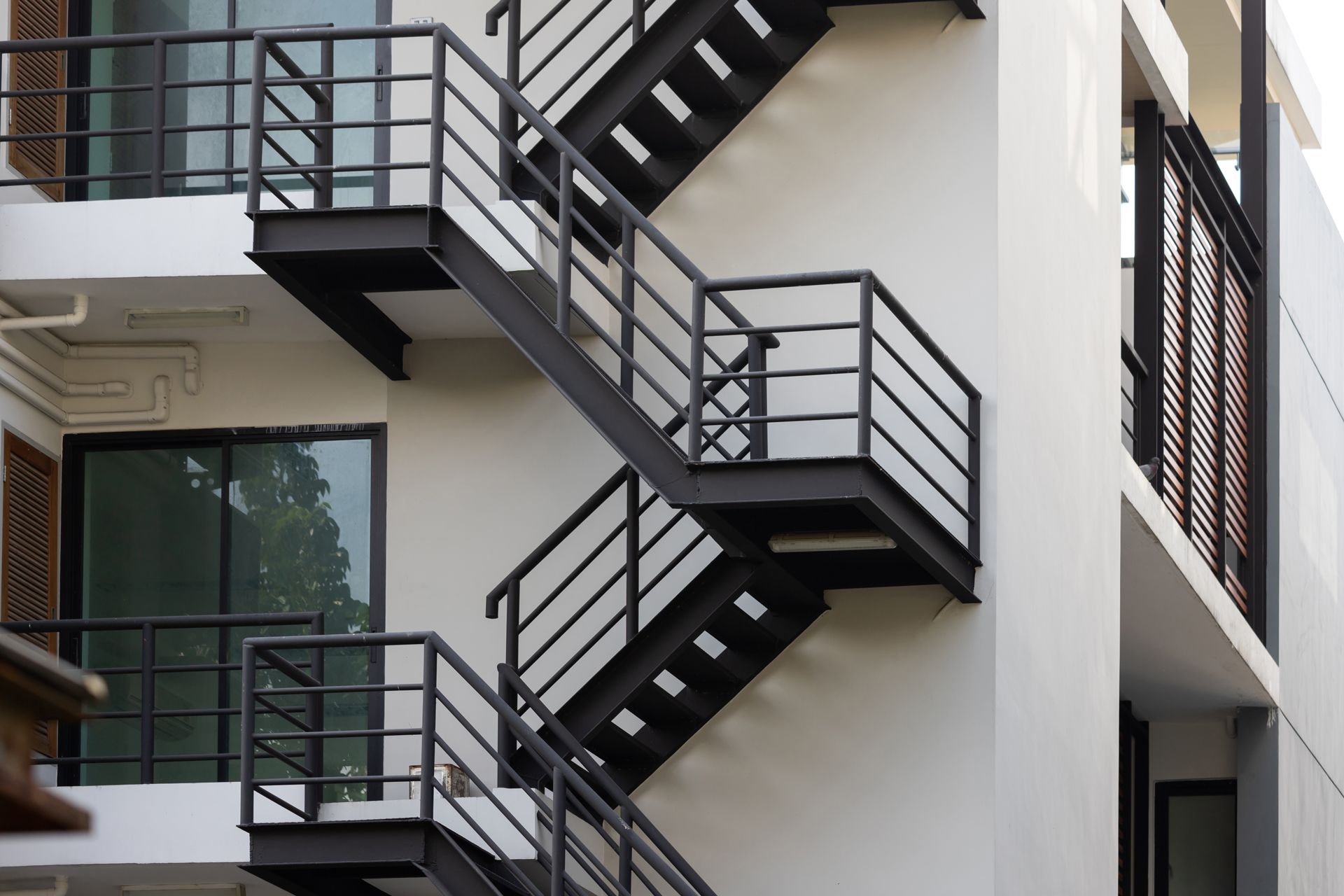
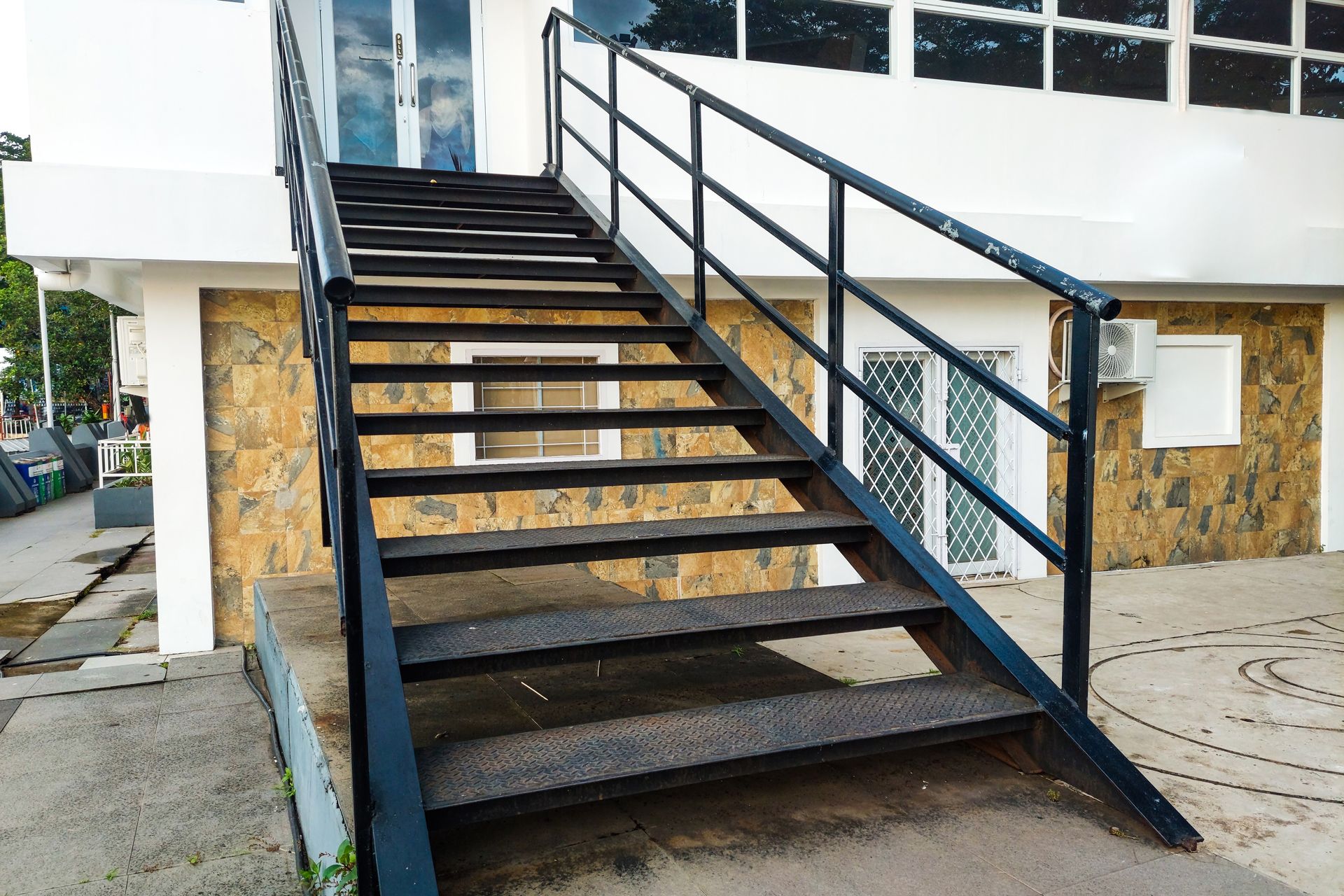
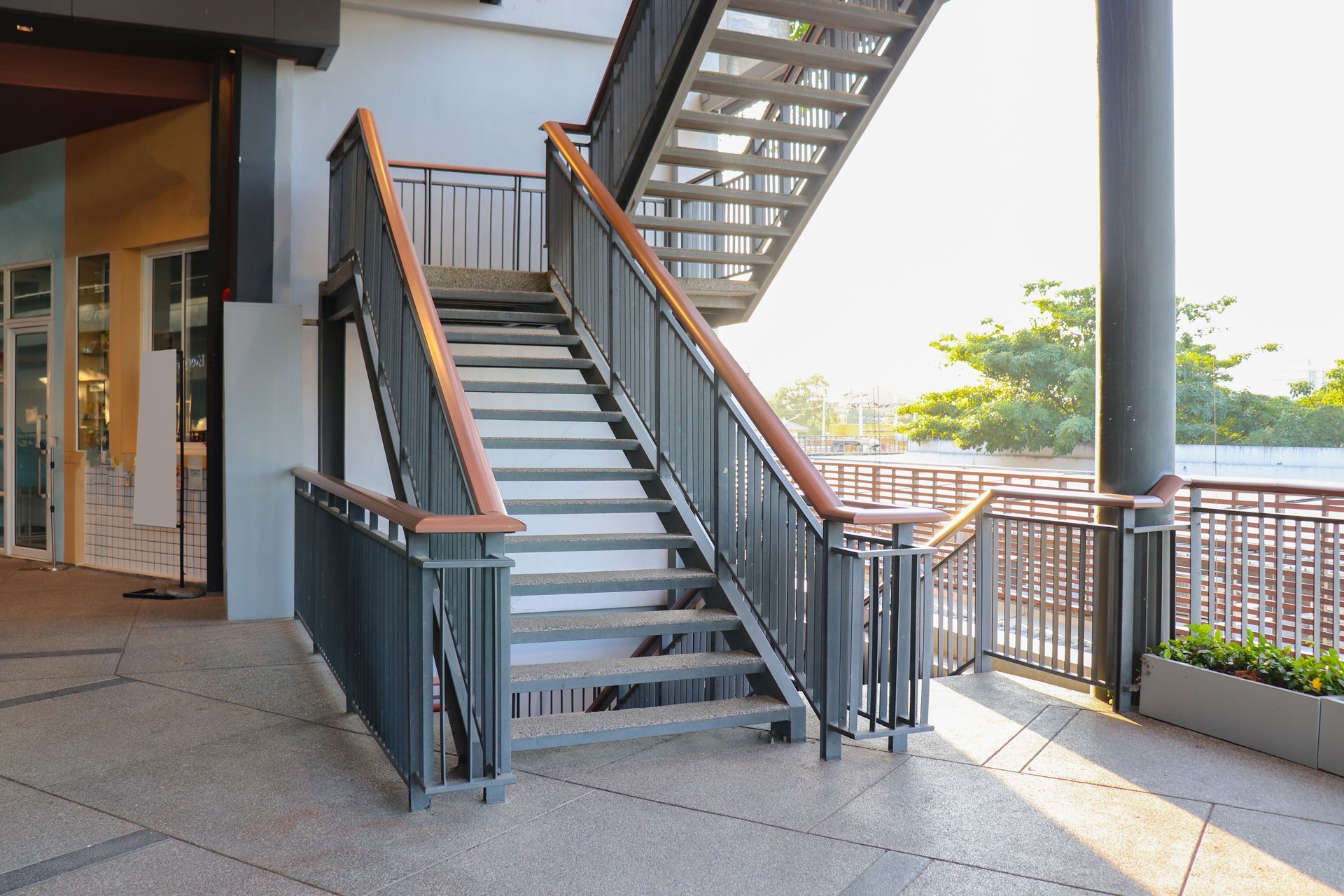
Rail King Iron Works fabricates custom iron straight stairs for homeowners, contractors, and commercial property owners throughout Staten Island. Iron straight stairs are chosen for their heavy load capacity and traditional appearance, making them a common fit for both historic homes in Tottenville and commercial buildings requiring a durable, code-compliant staircase. Every staircase is fabricated in-house to the exact rise, run, and width required by the installation.
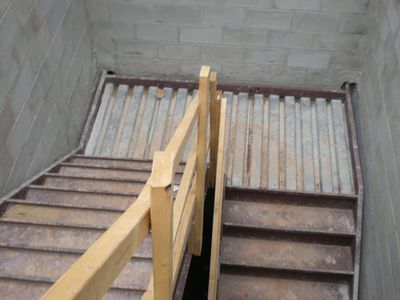
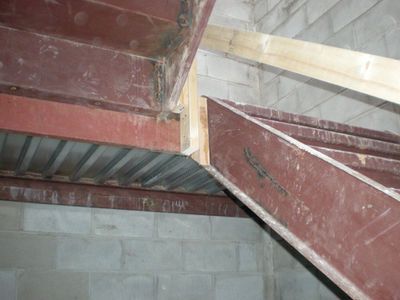
A straight-run iron staircase offers a combination of structural strength and design flexibility that appeals to property owners looking for a staircase that can support heavier loads than aluminum while still incorporating decorative elements like scrollwork or custom baluster patterns. Rail King Iron Works builds each staircase from stringers to handrail in its own shop, ensuring consistent quality and a precise fit for the intended space.
Why Property Owners Choose Iron Straight Stairs
Iron straight stairs are frequently selected for commercial and industrial applications where load capacity and durability are the primary concerns, as well as for residential properties where the homeowner wants the staircase to match existing wrought iron gates, fencing, or railings elsewhere on the property. Because iron is stiffer than aluminum, iron straight stairs experience less flex under heavy foot traffic, which matters for high-use commercial stairwells and mezzanine access points.
Common Applications for Iron Straight Stairs
Interior stairwells in commercial and industrial buildings across Staten Island's business districts. Secondary access stairs for multi-family properties requiring heavy-duty construction. Exterior stairs matching existing ironwork on historic residential properties. Warehouse and mezzanine access stairs for light industrial facilities.
Fabrication and Installation Process
Every iron straight stair begins with an on-site measurement to confirm the exact rise, run, and landing requirements for the installation. Rail King Iron Works produces a custom fabrication drawing, then cuts, welds, and finishes the stringers, treads, and handrail sections in its own shop before delivering and installing the completed staircase.
Design Elements Considered During Fabrication
Stringer gauge selected based on total rise and anticipated load. Tread style chosen between solid plate or textured surface for slip resistance. Handrail and baluster pattern matched to existing ironwork or architectural style. Finish selected between painted, powder-coated, or raw iron depending on the setting.
Material Strength and Long-Term Durability
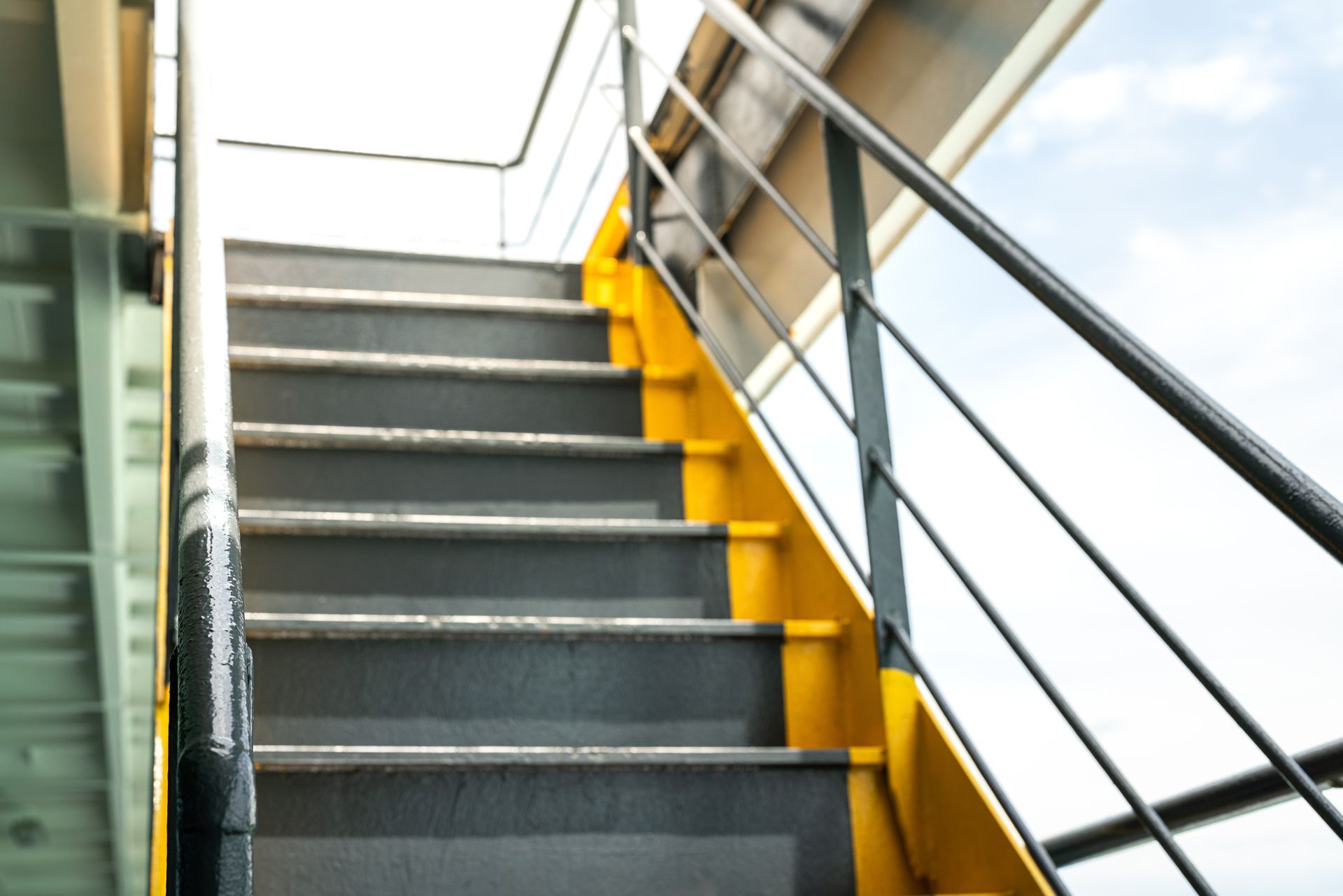
Iron straight stairs are valued for their structural rigidity, particularly in commercial and industrial settings where heavy foot traffic or equipment movement places continuous load on the staircase. Because iron is more prone to rust than aluminum, Rail King Iron Works applies a protective primer and topcoat, or powder-coat finish, to every staircase to guard against corrosion, which is especially important for exterior installations exposed to Staten Island's humid summers.
Code Compliance for New York City Installations
Every iron straight stair fabricated by Rail King Iron Works meets New York City building code requirements for tread depth, riser height, handrail height, and baluster spacing. For staircases serving as a required means of egress, additional provisions apply regarding minimum stair width and landing dimensions, which are addressed during the design phase to avoid delays during final inspection.
Maintenance Requirements Over Time
Iron straight stairs require more routine maintenance than aluminum, particularly for exterior installations exposed to moisture and salt air. Rail King Iron Works recommends periodic inspection of the finish coat and prompt repair of any scratched or exposed metal to prevent rust from spreading across the structure.
Frequently Asked Questions
How much does an iron straight stair cost?
Cost depends on total rise, width, tread material, and any decorative detailing, with heavier-duty commercial stairs typically costing more than standard residential installations.
Are iron straight stairs stronger than aluminum straight stairs?
Yes, iron is denser and stiffer than aluminum, giving iron straight stairs greater load capacity and less deflection under heavy use.
Do iron straight stairs rust outdoors?
Iron can rust if the protective finish is damaged, which is why Rail King Iron Works applies a primer and topcoat or powder-coat finish to every exterior installation.
Are iron straight stairs suitable for commercial buildings?
Yes, iron straight stairs are commonly used in commercial and industrial settings due to their heavy load capacity and durability under frequent use.
Can iron straight stairs be customized with decorative scrollwork?
Yes, iron straight stairs can incorporate custom baluster patterns and scrollwork to match existing architectural details on the property.
How much maintenance do iron straight stairs require?
Iron straight stairs require periodic inspection of the finish coat, with prompt touch-up of any scratched or exposed areas to prevent rust.
Are iron straight stairs code compliant in New York City?
Yes, when fabricated to meet NYC building code requirements for tread depth, riser height, handrail height, and baluster spacing.
Can an iron straight stair replace an existing wood staircase?
Yes, iron straight stairs are a common replacement for wood staircases that have deteriorated or that require additional load capacity.
How long do iron straight stairs last with proper maintenance?
With proper finishing and periodic maintenance, iron straight stairs commonly last several decades in both residential and commercial settings.
Can iron straight stairs be used for warehouse or mezzanine access?
Yes, iron straight stairs are frequently used for warehouse and mezzanine access due to their strength and ability to support heavy foot traffic.
Is iron heavier than aluminum for straight staircase construction?
Yes, iron is significantly heavier than aluminum, which requires the supporting structure to be engineered to accommodate the additional load.